
Braces in Turkey for International Patients
nternational patients can receive braces in Turkey through personalised orthodontic treatment plans that correct tooth alignment and bite problems.
Orthodontists in Turkey usually begin treatment with a detailed consultation. They examine the teeth and jaw, take digital scans or X-rays and explain the most suitable options. Patients may choose metal braces, ceramic braces, lingual braces or clear aligners according to their dental needs, budget and lifestyle.
Braces require regular adjustments, so international patients must plan their treatment carefully. Traditional fixed braces often require follow-up appointments every four to eight weeks. Patients who live abroad may need to stay in Turkey for an extended period, return regularly or arrange shared care with an orthodontist in their home country. Clear aligners may offer more flexibility because the orthodontist can provide several aligner sets in advance, although patients still need professional monitoring.
Many clinics support international patients with online consultations, multilingual coordinators, airport transfers and accommodation options. However, patients should focus on clinical quality rather than travel packages. They should check the orthodontist’s qualifications, treatment plan, follow-up schedule and emergency care policy before booking.
What Do Dental Braces Do?
Dental braces straighten teeth, correct bite problems and improve the way the upper and lower jaws fit together.
Orthodontists use braces to apply gentle, controlled pressure to the teeth. This pressure moves each tooth gradually into a healthier and more balanced position. Braces can treat crowded teeth, gaps, crooked teeth, overbites, underbites, crossbites and open bites.
Braces also improve oral function. Better tooth alignment can make chewing easier, support clearer speech and reduce uneven pressure on certain teeth. Straight teeth may also help patients clean their mouths more effectively because toothbrushes and dental floss can reach more areas.
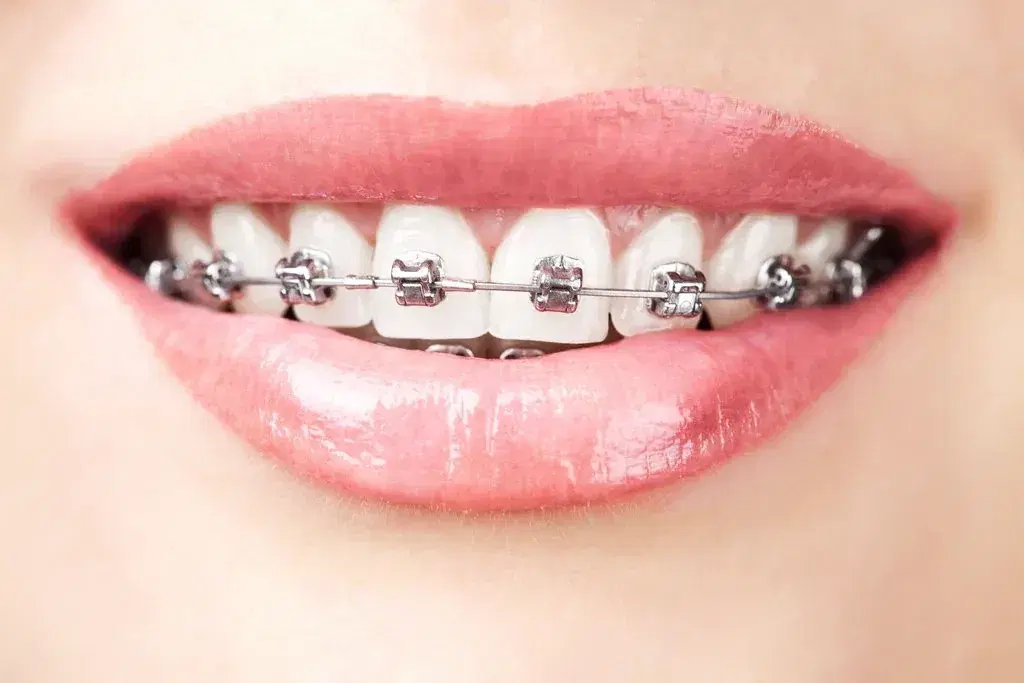
Fixed braces use brackets and wires to guide the teeth. The orthodontist attaches the brackets to the tooth surfaces and connects them with an archwire. During regular appointments, the orthodontist adjusts the wire to continue the planned movement. Ceramic braces work in a similar way but use tooth-coloured materials for a less noticeable appearance.
Braces can also create space for crowded teeth or close unwanted gaps. In some cases, the orthodontist uses elastic bands, springs or other appliances to improve jaw alignment and correct the bite.
Who Is a Good Candidate for Braces?
A good candidate for braces has crooked, crowded, spaced, or misaligned teeth and wants to improve their bite, dental function, or smile.
People with crowded teeth: Orthodontists use braces to create space and align overlapping or twisted teeth.
People with gaps between teeth: Braces can close unwanted spaces and create a more balanced smile.
People with an overbite: Braces can help correct upper teeth that extend too far over the lower teeth.
People with an underbite: Orthodontic treatment can improve cases where the lower teeth sit in front of the upper teeth.
People with a crossbite: Braces can reposition teeth that bite inside or outside the correct alignment.
People with an open bite: Orthodontists may recommend braces when the upper and lower teeth do not meet properly.
People with jaw alignment problems: Braces can improve some bite problems, although severe cases may require additional treatment.
Children, teenagers, and adults: Age does not automatically prevent orthodontic treatment. Healthy teeth and gums matter more than age.
People with good oral hygiene: Patients must brush carefully and clean around brackets to reduce the risk of decay and gum disease.
People with realistic expectations: Braces require regular appointments, proper care, and consistent use of elastics or retainers when prescribed.
Types of Braces Available in Turkey
Orthodontic treatment in Turkey includes several types of braces and aligner systems designed to address different alignment, bite, and aesthetic concerns. We recommend the most suitable option after evaluating the patient's dental structure, treatment goals, and lifestyle preferences.
Traditional Metal Braces
Traditional metal braces remain one of the most commonly used orthodontic treatments. We attach metal brackets to the teeth and connect them with orthodontic wires to gradually move teeth into their desired positions.
Feature | Details |
|---|---|
Visibility | Most noticeable option |
Durability | Highly durable |
Suitable For | Mild to complex orthodontic cases |
Treatment Time | Varies by case |
Ceramic Braces
Ceramic braces function similarly to metal braces but use tooth-colored or clear brackets. We often recommend them to patients who want a less visible orthodontic solution.
Feature | Details |
|---|---|
Visibility | Less noticeable than metal braces |
Appearance | Tooth-colored brackets |
Suitable For | Mild to complex cases |
Maintenance | Requires careful oral hygiene |
Self-Ligating Braces
Self-ligating braces use a built-in clip system instead of elastic bands to hold the archwire in place. This design may reduce friction during tooth movement.
Feature | Details |
|---|---|
Bracket Design | Uses specialized clips |
Comfort | May reduce pressure in some cases |
Appointments | May require fewer adjustments |
Suitable For | Various orthodontic conditions |
Lingual Braces
We place lingual braces on the inner surface of the teeth, making them virtually invisible from the front. This option appeals to patients seeking discreet orthodontic treatment.
Feature | Details |
|---|---|
Visibility | Hidden behind the teeth |
Aesthetics | Highly discreet |
Customization | Often custom-made |
Suitable For | Selected orthodontic cases |
Clear Aligners
Clear aligners use a series of transparent, removable trays to gradually move teeth. We design each aligner set specifically for the patient's treatment plan.
Feature | Details |
|---|---|
Visibility | Nearly invisible |
Removability | Can be removed for eating and cleaning |
Comfort | No metal brackets or wires |
Suitable For | Mild to moderate orthodontic cases |
Removable Orthodontic Appliances
Removable appliances can help guide jaw development or correct specific dental issues, particularly in growing children and teenagers.
Feature | Details |
|---|---|
Removability | Easily removed when instructed |
Common Use | Early orthodontic intervention |
Age Group | Often used in younger patients |
Purpose | Supports jaw and tooth development |
Comparing Braces in Turkey Options
Treatment | Visibility | Removable | Suitable for Complex Cases |
|---|---|---|---|
Metal Braces | High | No | Yes |
Ceramic Braces | Moderate | No | Yes |
Self-Ligating Braces | Moderate | No | Yes |
Lingual Braces | Very Low | No | Selected Cases |
Clear Aligners | Very Low | Yes | Mild to Moderate Cases |
Removable Appliances | Low | Yes | Specific Orthodontic Needs |
We determine the most appropriate orthodontic treatment after a detailed examination, digital imaging, and treatment planning process. The ideal option depends on tooth alignment, bite condition, aesthetic preferences, and long-term treatment goals.
Clear Aligners vs Braces
Clear aligners offer a discreet and removable orthodontic option, while braces provide fixed and often more predictable control for complex tooth movements. The right choice depends on the bite problem, lifestyle, treatment goals, and patient discipline.
Appearance: Clear aligners use transparent trays and look less noticeable. Braces use visible brackets and wires, although ceramic braces offer a more discreet alternative.
Removability: Patients can remove clear aligners while eating, drinking, brushing, and flossing. Braces remain attached throughout treatment.
Treatment suitability: Orthodontists often use aligners for mild to moderate crowding, gaps, and selected bite problems. Braces can treat both simple and complex orthodontic cases.Comfort: Clear aligners do not contain metal wires or brackets, but each new tray may cause temporary pressure. Braces may irritate the cheeks and lips during the adjustment period.
Oral hygiene: Aligners make brushing and flossing easier because patients can remove them. Braces require more careful cleaning around brackets and wires.
Diet restrictions: Aligners allow patients to eat normally after removing the trays. Braces require patients to avoid hard, sticky, and chewy foods that may damage the appliance.
Patient responsibility: Clear aligners usually require 20 to 22 hours of daily wear. Patients who forget to wear them may delay treatment. Braces work continuously without relying on daily compliance.
Appointments: Both options require regular orthodontic reviews. Braces may need wire adjustments, while aligner patients receive new tray sets during treatment.
Cost: Clear aligner and braces costs vary according to treatment complexity, duration, clinic, and appliance type.
Braces in Turkey Cost 2026
In 2026, braces in Turkey generally cost between $800 and $4,500 for a complete treatment, depending on the brace type, case complexity and treatment duration.
Orthodontists usually offer the following estimated price ranges:
Traditional metal braces: $800–$1,500
Ceramic braces: $1,150–$2,000
Lingual braces: $2,000–$3,500
Clear aligners or Invisalign: $1,200–$4,500