
All-Inclusive Dental Implants Packages in Turkey
We design our all-inclusive dental implants in Turkey packages to combine dental treatment with essential travel and accommodation services. By organizing the treatment process in advance, we help international patients manage their visit more efficiently and comfortably.
We create each treatment plan according to the patient's oral health condition, implant requirements, and treatment goals. Before treatment begins, we evaluate dental scans, discuss available options, and prepare a personalized treatment schedule.
Service | Details |
|---|---|
Online Consultation | We review your case and discuss treatment options before your visit |
Treatment Planning | We create a personalized implant treatment plan |
Dental Implant Procedure | We perform implant placement according to your treatment needs |
Digital Imaging | We use diagnostic scans and X-rays for planning and evaluation |
Accommodation | We arrange hotel accommodation in selected packages |
Airport Transfers | We organize transportation between the airport, hotel, and clinic |
Translator Support | We provide language assistance when needed |
Follow-Up Guidance | We explain post-treatment care and recovery recommendations |
Who Is a Good Candidate for Dental Implants?
A good dental implant candidate has healthy gums, sufficient jawbone, and stable general health.
The dentist also evaluates oral hygiene, smoking habits, bite forces, and any chronic medical conditions. Patients must maintain regular dental care because implants require long-term cleaning and monitoring. If bone volume is limited, the dentist may consider bone grafting before implant placement. Controlled diabetes does not automatically prevent treatment, but poor metabolic control can increase healing risks.
Who May Not Be Suitable for Dental Implant Treatment?
Some patients may not suit dental implant treatment because healing or infection risks remain too high. Uncontrolled diabetes, active gum disease, severe bone loss, heavy smoking, and certain immune conditions can reduce implant success. Recent head or neck radiotherapy may also complicate healing in the jawbone. Some medications that affect bone metabolism can require additional assessment before surgery. Poor oral hygiene and untreated dental infections must be addressed first.
How Does Dental Implant Treatment in Turkey Work?
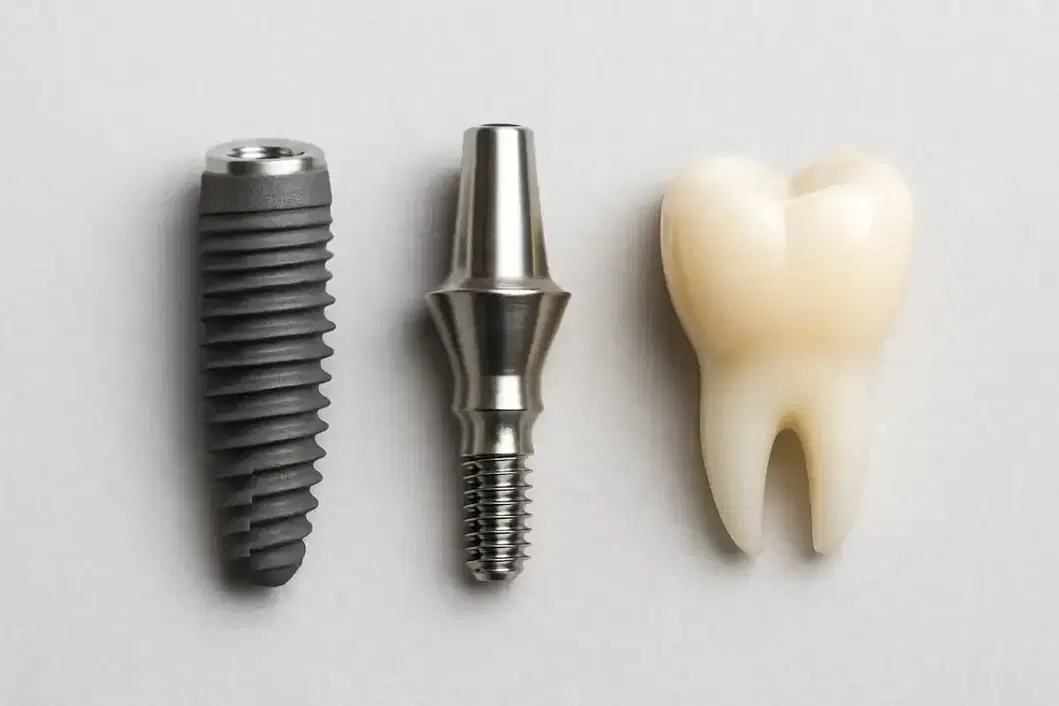
Dental implants in Turkey starts with examination, imaging, treatment planning, implant placement, and later prosthetic restoration. The dentist first assesses the jawbone, gum health, missing teeth, and medical history.
After planning, the surgical team places the implant into the jawbone under local anaesthesia. The implant then needs time to integrate with the bone before the final crown or bridge is fitted. Some patients may receive temporary teeth during healing.
Types of Dental Implants Available in Turkey
Dental implants in Turkey include single-tooth implants, multiple implants, full-mouth restorations, implant-supported bridges, implant-supported dentures, and immediate-load implants. The most suitable option depends on the number of missing teeth, jawbone condition, oral health, and treatment goals.
Single-Tooth Dental Implant
A single-tooth dental implant replaces one missing tooth without affecting the neighbouring teeth. The dentist places an implant into the jawbone and attaches a custom-made crown after healing. This option can provide a natural appearance and stable chewing function.
Multiple Dental Implants
Multiple dental implants are suitable for patients who have several missing teeth. Each tooth does not always require a separate implant. Dentists may use a limited number of implants to support several crowns or a dental bridge.
Full-Mouth Dental Implants
Full-mouth dental implants restore most or all missing teeth in the upper jaw, lower jaw, or both. Treatment plans may include All-on-4, All-on-6 or individually placed implants, depending on bone density and clinical needs.
Implant-Supported Dental Bridge
An implant-supported dental bridge replaces several consecutive missing teeth. Instead of relying on natural teeth for support, the bridge is attached to dental implants. This approach can improve stability while protecting adjacent healthy teeth.
Implant-Supported Dentures
Implant-supported dentures attach to implants placed in the jawbone. They are generally more stable than traditional removable dentures and may reduce movement while speaking or eating. Depending on the treatment plan, they can be removable or fixed.
Immediate-Load Dental Implants
Immediate-load dental implants allow temporary teeth to be attached shortly after implant placement. Often called “same-day implants,” they are only suitable for selected patients with adequate bone quality and good implant stability.
Dental Implant Techniques in Turkey
Dentists in Turkey use several dental implant techniques to replace missing teeth, restore chewing function, and improve smile aesthetics. They choose the most suitable method after examining the patient’s oral health, jawbone density, number of missing teeth, and treatment goals.
Traditional Dental Implant Technique
Dentists place the implant into the jawbone and allow it to heal for several months. After the implant bonds with the bone, they attach the abutment and permanent dental crown. This technique offers a reliable option for many patients.
Immediate-Load Dental Implants
Dentists place temporary teeth shortly after implant surgery when the patient has sufficient bone quality and strong implant stability. This method reduces the time patients spend without visible teeth.
All-on-4 Dental Implants
Dentists use four strategically positioned implants to support a full arch of fixed teeth. They often angle the back implants to maximise available bone and reduce the need for bone grafting.
All-on-6 Dental Implants
Dentists place six implants in the upper or lower jaw to support a full-arch restoration. The additional implants can provide greater support and distribute chewing pressure more evenly.
Computer-Guided Implant Surgery
Dentists use three-dimensional scans and digital planning software to determine the ideal implant position. They then use a surgical guide to place the implants with greater precision.
Flapless Dental Implant Technique
Dentists insert implants through small openings in the gum without creating large incisions. This minimally invasive approach may reduce swelling, discomfort, and recovery time in suitable patients.
Zygomatic Implant Technique
Dentists anchor zygomatic implants in the cheekbone when severe upper-jaw bone loss prevents standard implant placement. This advanced technique may help selected patients avoid extensive bone grafting.
Dental Implant Brands Used in Turkey
Dental clinics in Turkey use Turkish, German, Swiss, and Korean dental implant brands according to the patient’s needs, bone structure, treatment plan, and budget.
Turkish Dental Implant Brands: Turkish manufacturers offer cost-effective implant systems that meet modern treatment requirements. Many clinics choose these brands for their accessibility, local technical support, and competitive pricing.
German Dental Implant Brands: German implant brands focus on precision engineering, durability, and advanced surface technologies. Dentists often recommend them for patients who want established systems with extensive clinical use.
Swiss Dental Implant Brands: Swiss dental implant brands have a strong reputation for research, quality control, and long-term performance. Clinics frequently use them in complex or premium implant treatments.
Korean Dental Implant Brands: Korean manufacturers provide reliable and affordable implant solutions. Many Turkish dental clinics prefer these systems because they offer practical surgical options, wide product ranges, and good value.
Premium vs Budget Implant Systems
Dental implant systems vary in terms of manufacturing standards, clinical history, research support, and pricing. Implant brands are often grouped into premium and budget categories, although treatment success depends on many factors, including treatment planning, oral hygiene, bone quality, and the clinician's experience.
Both premium and budget implant systems can provide functional and long-lasting results when used appropriately and supported by proper aftercare.
Feature | Premium Implant Systems | Budget Implant Systems |
|---|---|---|
Clinical History | Often supported by longer clinical track records | May have shorter market histories |
Research & Development | Typically backed by extensive research and testing | Research support may vary by manufacturer |
Global Availability | Widely available in many countries | Availability may be limited to certain regions |
Component Range | Often offers a broader selection of prosthetic components | Component options may be more limited |
Manufacturing Standards | Usually produced under established quality control processes | Quality standards vary between brands |
Cost | Higher treatment costs | More affordable treatment costs |
Long-Term Data | More published long-term studies may be available | Long-term data may be less extensive |
Does the Implant Brand Affect Treatment Success?
The implant brand can influence treatment success, but surgical planning and patient factors usually play larger roles. Manufacturers use different implant designs, surface treatments, connection systems, and quality-control standards.
These features can affect primary stability, bone integration, component compatibility, and long-term maintenance. However, the dentist must also select the correct implant size, position it accurately, and control chewing forces. Bone quality, gum health, smoking, diabetes control, and oral hygiene also influence the outcome.
Which Crown Material Is Best for Dental Implants?
The best implant crown material depends on the tooth position, bite force, appearance goals, and available restorative space. Dentists often choose monolithic zirconia for back teeth because it provides high fracture resistance. They may select layered zirconia or ceramic materials for visible front teeth when appearance requires more detailed colour matching.
Metal-ceramic crowns also offer established durability, although the metal framework may affect translucency or gum-line appearance. No single material suits every patient. The dentist should evaluate grinding habits, opposing teeth, implant position, gum thickness, and maintenance needs before selecting the crown.
Bone Grafting for Dental Implants
Bone grafting rebuilds deficient jawbone so the dentist can place and support a dental implant securely. During the procedure, the surgeon places graft material into the deficient area and stabilises it with a membrane or fixation method when necessary. The graft creates a framework that supports new bone formation during healing. Dentists may use the patient’s own bone, donor-derived material, animal-derived material, synthetic substitutes, or combinations.
Why Is Bone Grafting Needed?
Dentists use bone grafting when the jaw lacks enough width or height to stabilise a dental implant safely.
Tooth loss, gum disease, infection, trauma, and long-term denture use can reduce jawbone volume. The upper back jaw may also provide limited bone because the sinus occupies part of the available space. Without adequate bone, the implant may lack primary stability or sit in an unsuitable position. Bone grafting restores the missing structure and supports more accurate implant placement.
Can Implant Placement and Bone Grafting Be Done Together?
Dentists can place an implant and perform bone grafting together when the remaining bone provides adequate primary stability.
During simultaneous treatment, the surgeon inserts the implant into stable native bone and adds graft material around the deficient area. This approach can reduce the total number of surgical stages and shorten the overall treatment pathway. However, large defects or weak remaining bone may prevent secure implant fixation. In those cases, the surgeon completes the graft first and places the implant after healing. The decision depends on defect size, bone quality, infection risk, and implant stability.
Can an Implant Be Placed During a Sinus Lift?
Dentists can place an implant during a sinus lift when the remaining upper-jaw bone provides sufficient initial stability. The surgeon lifts the sinus membrane, creates space for new bone, and inserts the implant during the same procedure. The existing bone must hold the implant firmly while the grafted area heals around it. When the residual bone height cannot provide reliable stability, the surgeon usually performs the sinus lift first. After new bone develops, the surgeon places the implant in a second procedure.
Is Dental Implant Treatment in Turkey Safe?
Dental implants in Turkey can be safe when you choose a qualified dentist, an authorised clinic and a well-planned treatment process.
Many Turkish dental clinics use modern imaging systems, internationally recognised implant brands and established sterilisation procedures. However, safety standards can vary between providers. Patients should check whether the clinic holds an International Health Tourism Authorization Certificate from the Turkish Ministry of Health. Turkish regulations require authorised healthcare facilities to meet specific licensing and service conditions for international patients.
Does Dental Implant Surgery Hurt?
Dental implant surgery usually does not hurt during the procedure because the dentist numbs the area with local anaesthesia. Patients may feel pressure, vibration, or movement while the surgeon places the implant. After the anaesthesia wears off, mild pain, tenderness, swelling, or bruising may develop.
The dentist may recommend pain-relief medication and cold application to control these symptoms. More extensive procedures, including bone grafting, can cause greater discomfort.
How Long Does Discomfort Last?
Discomfort after dental implant surgery usually improves within three to seven days.
Pain and swelling often peak during the first two or three days before gradually decreasing. Mild tenderness may continue for one or two weeks, especially after additional surgical procedures. The patient should follow medication, oral hygiene, and dietary instructions during recovery. Persistent pain, worsening swelling, fever, pus, or implant movement requires prompt examination. Recovery time depends on the procedure’s extent, implant location, and individual healing response.
First 24 Hours After Implant Surgery
During the first 24 hours after implant surgery, patients should protect the surgical area and control bleeding and swelling.
Patients should bite gently on gauze as instructed and avoid forceful rinsing, spitting, or touching the wound. They should choose cool or lukewarm soft foods and avoid hot, hard, spicy, or crunchy foods. Cold packs can help reduce swelling when applied intermittently outside the mouth. Patients should avoid smoking, alcohol, heavy exercise, and drinking through straws.
Dental Implant Aftercare
Dental implant aftercare helps protect the implant site, support healing, and reduce the risk of infection or implant failure.
Follow your dentist’s instructions: Take prescribed medications and attend every follow-up appointment.
Avoid touching the implant area: Do not press the surgical site with your tongue or fingers.
Use cold compresses: Apply a cold pack to the outside of the face during the first 24 hours to reduce swelling.
Choose soft foods: Eat yoghurt, soup, mashed potatoes, eggs, and other soft foods during the early healing period.
Avoid hot food and drinks: Very hot meals may irritate the surgical area and increase bleeding.
Do not smoke or drink alcohol: Smoking and alcohol can slow healing and increase the risk of implant complications.
Maintain gentle oral hygiene: Brush carefully around the implant area and use any recommended mouthwash.
Avoid strenuous exercise: Heavy activity may increase bleeding and swelling during the first few days.
Do not chew on the implant side: Protect the healing area from unnecessary pressure.
Watch for warning signs: Contact your dentist if you notice severe pain, persistent bleeding, increasing swelling, fever, pus, or implant movement.
Continue long-term dental care: Brush twice a day, clean between the teeth, and schedule regular professional check-ups.
Dental İmplants in Turkey Cost 2026
In 2026, dental implants in Turkey generally cost between $550 and $950 for a single implant, while full-mouth treatments may cost $8,300 to $12,100.
Dental implants in Turkey costs in 2026 vary based on the implant brand, the number of implants required, the complexity of the treatment, and any additional procedures needed before implant placement. We determine the final cost after evaluating the patient's oral health, bone structure, and treatment goals.
The implant brand also affects the price. Premium brands such as Straumann and Nobel Biocare usually cost more than standard implant systems. Zirconia crowns may also increase the total cost compared with porcelain-fused-to-metal crowns.