
Why Root Canal Treatment in Turkey?
Root canal treatment in Turkey is popular because it combines modern dental care with comparatively affordable treatment costs.
Many Turkish dental clinics use digital imaging and contemporary endodontic equipment to diagnose and treat infected teeth. These technologies support accurate canal cleaning, shaping, and sealing during the procedure. Treatment costs are often lower than in many European countries, which attracts international patients. In addition, clinics frequently offer English-speaking staff and coordinated appointments for visitors. This combination can make treatment planning more convenient without changing the main goal. Root canal treatment in Turkey focuses on preserving the natural tooth and restoring normal function.
What Is Root Canal Treatment?
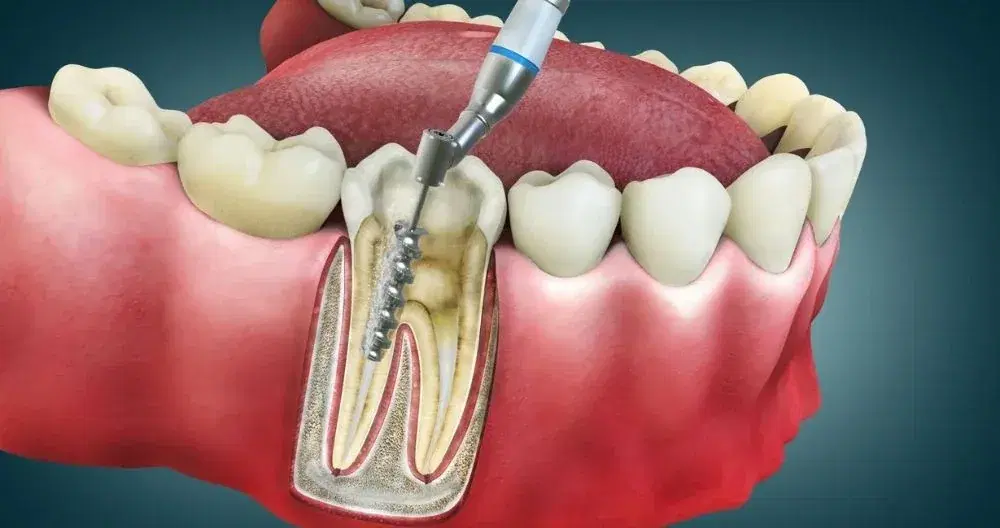
Root canal treatment removes infected or inflamed pulp, cleans the tooth’s inner canals, and seals them against further infection. The dentist first numbs the area and isolates the tooth. Next, the dentist opens the tooth and removes damaged pulp tissue. The dentist then shapes, disinfects, and fills the root canals. Finally, the dentist seals the tooth and restores it with a filling or crown. This treatment aims to preserve the natural tooth and restore normal function.
What Happens Inside an Infected Tooth?
Inside an infected tooth, bacteria enter the pulp and trigger inflammation, tissue damage, and pressure within the root canal system. Deep decay, cracks, trauma, or leaking restorations can allow bacteria to reach the pulp. The infection may cause pain, temperature sensitivity, swelling, or tenderness when chewing.
As the damage progresses, the pulp can lose vitality and die. Bacteria may then spread through the root tip into surrounding bone. Without treatment, the infection can form an abscess and weaken the tooth’s supporting tissues.
Why Is the Dental Pulp Removed?
The dentist removes dental pulp when infection or irreversible inflammation prevents the tissue from healing normally. The pulp contains nerves, blood vessels, and connective tissue inside the tooth. When bacteria severely damage this tissue, the pulp can continue causing pain and infection. The dentist removes it to eliminate the infected source and stop bacterial spread. After cleaning the canals, the dentist seals the empty space to prevent reinfection.
How Does Root Canal Treatment Save a Tooth?
Root canal treatment saves a tooth by removing infection while preserving the tooth’s roots and external structure.
The dentist cleans bacteria and damaged tissue from the internal canal system. The dentist then disinfects and seals the canals to block new contamination. Afterward, a filling or crown restores strength, shape, and chewing function. This process allows the tooth to remain in the jaw instead of requiring removal. Preserving the natural tooth also helps maintain bite balance and prevents nearby teeth from shifting.
Root Canal Treatment vs Tooth Extraction
Root canal treatment preserves the natural tooth, while tooth extraction removes the entire tooth from the jaw. Dentists usually prefer root canal treatment when the tooth has enough healthy structure and support for restoration. Extraction may become necessary when severe fracture, advanced decay, or poor periodontal support prevents predictable repair.
Keeping the tooth avoids creating an empty space that may require an implant, bridge, or denture. However, each option has different costs, treatment stages, and long-term maintenance needs. The dentist chooses the approach after evaluating restorability and prognosis.
Who Needs Root Canal Treatment?
Patients need root canal treatment when the dental pulp develops irreversible inflammation, infection, or tissue death. Common causes include deep cavities, cracked teeth, repeated dental procedures, trauma, and leaking restorations. Symptoms may include prolonged sensitivity, spontaneous pain, chewing discomfort, swelling, or a gum abscess.
Some damaged teeth cause no pain, so X-rays and vitality tests may reveal the problem. The dentist confirms the need through clinical examination and imaging.
How Is Root Canal Treatment Performed in Turkey?
Root canal treatment in Turkey is performed by removing infected pulp, cleaning the canals, and sealing the tooth securely.
The dentist first examines the tooth and usually takes an X-ray to assess the infection. Local anesthesia is then applied before creating an opening in the tooth. Through this opening, infected pulp and damaged tissue are carefully removed from the root canals. The canals are cleaned, shaped, and disinfected to reduce remaining bacteria. Afterward, they are filled with a biocompatible material and sealed.
How Many Appointments Does Root Canal Treatment Require?
Root canal treatment usually requires one or two appointments, depending on the condition of the tooth, the severity of the infection, and whether additional treatment is needed before the final restoration. In straightforward cases, the procedure can often be completed in a single visit, while more complex infections may require multiple sessions.
Factors that affect the number of root canal treatment appointments include:
Severity of the infection: A mild or localized infection may be treated in one appointment, while a more advanced infection can require additional visits.
Number of root canals: Molars often have several canals, which may make treatment more complex and time-consuming.
Presence of an abscess: If there is significant infection or swelling, the dentist may place medication inside the tooth and schedule a second appointment.
Retreatment cases: Teeth that have already had root canal treatment may need extra sessions if infection returns.
Tooth anatomy: Curved, narrow, or difficult-to-reach canals can increase the number of appointments.
Need for a dental crown: After root canal treatment, many teeth require a crown, which is usually completed during a separate appointment.
In many cases, the first appointment involves removing infected tissue, cleaning the canals, and sealing the tooth. If the infection is extensive, the dentist may temporarily seal the tooth and complete the treatment during a second visit.
How Long Does Root Canal Treatment Take?
Root canal treatment in Turkey usually takes one or two appointments. Each appointment may last between 60 and 120 minutes, depending on the tooth’s location, the number of root canals and the severity of the infection. Front teeth usually require less time, while molars often require longer treatment because they contain more canals. The dentist may place a temporary filling and complete the final restoration during another appointment.
Is Root Canal Treatment Painful?
Root canal treatment in Turkey should not cause significant pain because the dentist applies local anaesthesia before starting the procedure. The anaesthetic numbs the tooth and the surrounding area, allowing the dentist to remove the infected pulp comfortably.
Patients may feel pressure or movement during treatment, but they should not feel sharp pain. Root canal treatment usually relieves the severe toothache that infection or inflammation causes. Patients should tell the dentist immediately when they feel discomfort during the procedure so the dentist can provide more anaesthetic.
Discomfort After Root Canal Treatment
Patients may experience mild tenderness, sensitivity or jaw discomfort after root canal treatment. The tissues around the tooth may react to the cleaning process, while the jaw muscles may feel tired after the patient keeps their mouth open for an extended period.
Patients can usually manage mild discomfort with pain-relieving medication that their dentist recommends. They should avoid chewing hard or sticky foods on the treated tooth until the dentist places the permanent filling or crown.
How Long Does Post-Treatment Pain Last?
Mild pain or sensitivity usually lasts for a few days and gradually improves. Some patients may notice tenderness when they bite or touch the treated tooth. The surrounding area may take longer to settle when the tooth had a serious infection before treatment.
Patients should follow their dentist’s aftercare instructions and maintain good oral hygiene. They should also attend the final restoration appointment because a permanent filling or dental crown protects the tooth from fractures and further infection.
When Should Pain Be Considered Abnormal?
Patients should contact their dentist when severe pain lasts longer than a few days, increases instead of improving or prevents normal daily activities. They should also seek professional care when they notice visible swelling, fever, persistent pressure, an uneven bite or the return of their original symptoms.
Patients should contact the clinic immediately when the temporary filling or crown falls out or when they develop a reaction to prescribed medication. The dentist can examine the tooth, identify the cause and provide additional treatment when necessary.
Root Canal Treatment in Turkey Cost 2026
Root canal treatment in Turkey typically costs €80 to €300 per tooth in 2026, depending on complexity.
Front teeth usually cost less because they often have fewer canals and require less treatment time. Molars generally cost more because their root systems are more complex and require additional work.