
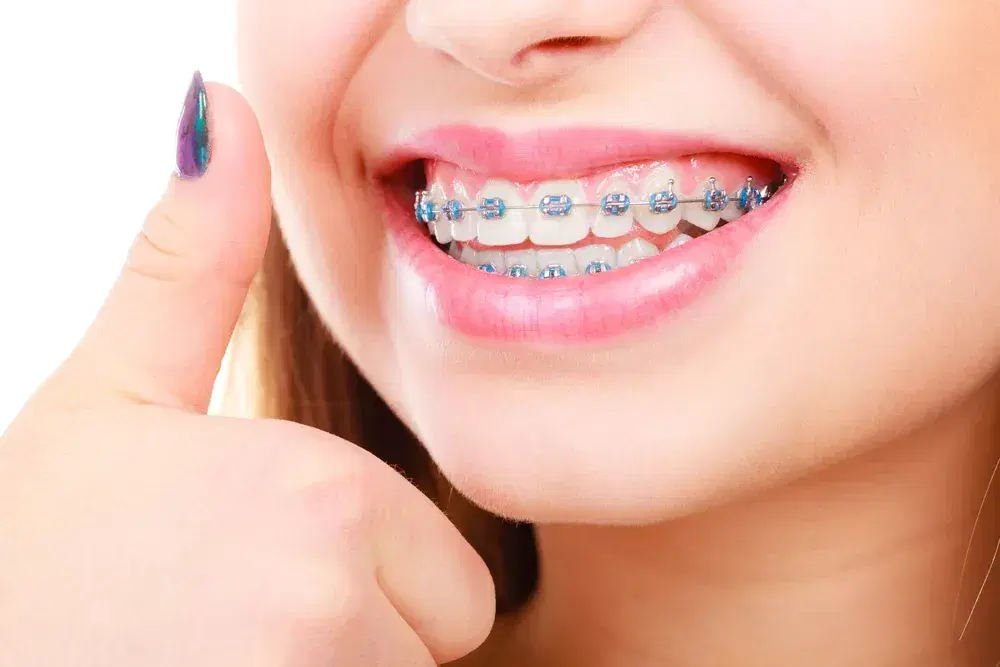
Learning how to care for your teeth with braces starts with building a routine that protects the teeth, gums, brackets, and wires every day. Braces create small spaces where food and plaque can collect, so oral care needs more attention than usual. When patients understand how to care for your teeth with braces, they reduce the risk of stains, cavities, gum irritation, bad breath, and treatment delays. A clean mouth also helps orthodontic appointments run more smoothly because the dentist or orthodontist can adjust the braces without fighting heavy plaque buildup. With the right habits, braces can move teeth into better alignment while the smile stays healthy from the first appointment to the final reveal.
Why Oral Care Matters More with Braces?
Braces do an important job, but they also make cleaning more detailed. Brackets, wires, bands, and elastics create extra surfaces where food particles can hide. Even a small snack can leave debris around the gumline or behind a wire. If plaque sits there too long, it can irritate the gums and weaken enamel.
Good oral hygiene during orthodontic treatment helps prevent white spots, which can appear when enamel loses minerals around brackets. These marks may become noticeable after the braces come off. Patients often expect a perfect smile at the end of treatment, but poor cleaning can leave stains that affect the final result.
Healthy gums also matter. Inflamed gums can bleed, swell, and make brushing uncomfortable. Swollen tissue may even cover parts of the brackets, making treatment harder. A clean mouth gives the orthodontic team a better environment to work in and supports a more comfortable treatment journey.
Brush Carefully After Meals
Brushing with braces takes more time, but it does not need to feel complicated. Patients should clean around every bracket, along the gumline, and under the wire. A soft-bristled toothbrush or an orthodontic toothbrush can help reach tight areas without damaging the gums.
A good brushing routine starts by rinsing the mouth with water to loosen food particles. Then the brush should angle toward the gumline, above the brackets, and below the brackets. Small circular movements usually work better than aggressive scrubbing. Hard pressure does not clean better; it can irritate gums and wear down enamel.
Fluoride toothpaste supports enamel strength during orthodontic treatment. Patients should brush for enough time to clean all surfaces, not just the front teeth. The back teeth, chewing surfaces, and inside surfaces near the tongue deserve the same attention.
A travel toothbrush can make daytime cleaning easier. School, work, and social plans can interrupt routines, but braces reward consistency. Even a quick careful brushing after lunch can prevent food from sitting around the brackets for hours.
Flossing with Braces Takes Patience
Flossing feels more difficult with braces because the wire blocks normal movement between teeth. Still, flossing remains one of the most important parts of oral care. A toothbrush cannot fully clean between teeth, and plaque in those spaces can lead to cavities and gum inflammation.
Floss threaders help guide floss under the wire. Orthodontic flossers can also make the process faster. Some patients prefer interdental brushes for larger spaces around brackets and wires. Water flossers may help remove trapped food and support gum health, especially for people who struggle with traditional floss.
The best method is the one a patient can use consistently and correctly. It is better to floss carefully once a day than to rush through it and miss half the mouth. Slow, gentle movement protects the gums and cleans the sides of the teeth more effectively.
Bleeding gums often mean inflammation, not a reason to stop. With gentle daily cleaning, gums usually become healthier and bleed less. If bleeding continues, a dental professional should check the area.
Use the Right Cleaning Tools
Braces become easier to manage with the right tools. A soft toothbrush handles daily brushing. An electric toothbrush may help some patients clean more thoroughly, especially around brackets. Interdental brushes can remove food from under wires and between brackets. Floss threaders, orthodontic flossers, and water flossers can support daily cleaning between teeth.
Orthodontic wax also deserves a place in the care kit. Brackets or wire ends can rub the cheeks during treatment. A small piece of wax can reduce irritation until the mouth adjusts or the orthodontist checks the wire.
A small mirror helps patients inspect the mouth after meals. Food often hides around brackets, especially near the back teeth. Checking the smile after cleaning prevents embarrassing moments and helps patients improve technique.
Mouthwash can support freshness and help reach areas that brushing may miss, but it should not replace brushing or flossing. A fluoride mouthwash may help protect enamel, especially for patients who face a higher risk of cavities.
Choose Braces-Friendly Foods
Food choices can protect braces and reduce emergency visits. Hard, sticky, crunchy, and chewy foods can bend wires, break brackets, or pull parts loose. A broken bracket may not seem serious at first, but it can slow tooth movement and extend treatment time.
Patients should be careful with popcorn, hard candies, chewing gum, sticky caramel, whole nuts, ice, crusty bread, and very chewy snacks. Foods like apples, carrots, and corn on the cob do not always need to disappear from the diet, but they should be prepared differently. Cutting apples into thin slices, chopping raw vegetables, and removing corn from the cob makes eating safer.
Soft foods help during the first days after braces are placed or adjusted. Yogurt, eggs, soups, pasta, smoothies, soft rice, cooked vegetables, and tender proteins can reduce discomfort while still supporting nutrition.
A balanced diet supports oral health and general healing. Braces work better when patients keep the body well nourished and avoid constant sugar exposure.
Limit Sugary and Acidic Drinks
Drinks can affect teeth as much as food. Sugary and acidic beverages can weaken enamel and feed plaque bacteria. With braces, liquid sugar and acid can settle around brackets and increase the risk of white spots.
Soda, sports drinks, energy drinks, sweet tea, flavored sparkling drinks, and frequent fruit juice can create problems when consumed often. The issue is not only the sugar. Acidity can soften enamel, especially when the teeth face repeated exposure throughout the day.
Water remains the safest daily drink. It rinses the mouth, supports saliva flow, and does not leave sugar around the braces. Milk can also fit into a tooth-friendly diet. If patients drink something sugary or acidic, they should avoid sipping it for hours. Rinsing with water afterward can reduce residue before brushing.
Brushing immediately after acidic drinks may not always feel ideal because softened enamel needs time. Rinsing first and returning to normal brushing later can be a gentler approach.
Protect the Gums During Treatment
Healthy gums create the foundation for a successful orthodontic result. Braces can make the gums more sensitive because plaque collects more easily around the brackets and near the gumline. When patients miss cleaning in these areas, the gums may become red, puffy, or tender.
Gentle brushing along the gumline makes a major difference. The brush should touch the area where the teeth meet the gums, not just the brackets. Flossing also supports gum health by removing plaque between teeth.
Some gum swelling can make teeth look shorter during treatment. Patients may think the braces caused the swelling, but plaque usually plays a major role. Better cleaning often improves the appearance and comfort of the gums.
If swelling, bleeding, or pain continues, a dentist or orthodontist should evaluate the mouth. Early care can prevent more serious gum problems.
Handle Soreness the Smart Way
Braces can cause soreness, especially after placement or adjustment appointments. This discomfort usually happens because the teeth respond to gentle pressure. Soft foods and careful chewing can help during these periods.
Patients should avoid biting directly into hard foods when the teeth feel tender. Smaller bites reduce pressure and make meals easier. Cold water or chilled soft foods may also feel soothing.
Brackets may rub the inside of the cheeks or lips at first. Orthodontic wax can cover the irritating area and give soft tissue time to adapt. If a wire pokes or causes persistent pain, the orthodontic office should check it. Patients should not cut wires at home unless a professional gives specific emergency instructions.
Good cleaning should continue even when the mouth feels sore. Skipping brushing can make the gums more irritated and increase discomfort later.
Keep Orthodontic Appointments
Regular appointments allow the orthodontist to adjust the braces, monitor tooth movement, and check for broken parts. Missing visits can slow progress and create longer treatment times. These appointments also help the orthodontic team spot cleaning problems early.
Patients should mention loose brackets, bent wires, broken elastics, or bite changes during visits. Small issues can affect the way teeth move. Fixing them early helps keep treatment on track.
Dental cleanings remain important during braces treatment. Orthodontic visits adjust the braces, but general dental visits focus on tooth and gum health. Professional cleaning can remove buildup in areas that are difficult to reach at home.
A strong partnership between the patient, dentist, and orthodontist helps create a healthier final result.
Avoid Habits That Damage Braces
Certain everyday habits can damage braces without much warning. Chewing pens, biting fingernails, crunching ice, opening packages with teeth, or playing with wires can loosen brackets and bend appliances. These habits may seem small, but repeated pressure can interfere with treatment.
Patients who play contact sports should use an orthodontic mouthguard. A regular mouthguard may not fit properly over braces. The right protection reduces the risk of cuts, broken brackets, and dental injuries.
Grinding or clenching can also put extra pressure on the teeth and braces. If jaw tension, morning soreness, or worn teeth become noticeable, the orthodontist should know. Managing pressure helps protect both the appliances and the teeth.
Careful habits make treatment smoother and reduce surprise appointments.
Build a Simple Daily Routine
A strong braces routine does not need to feel overwhelming. Patients can make it easier by following the same structure every day: brush after meals, clean between the teeth once daily, rinse when brushing is not possible, check for trapped food, and avoid damaging foods.
Morning cleaning removes overnight plaque and freshens the mouth. Midday cleaning removes food after lunch. Evening cleaning should be the most detailed because plaque can sit undisturbed during sleep. This is the best time for flossing, interdental brushes, and careful inspection.
Keeping supplies in more than one place helps. A small kit at school, work, or in a bag can include a travel toothbrush, toothpaste, floss tool, interdental brush, and wax. When the tools stay close, the routine becomes easier to maintain.
Consistency matters more than perfection. Small daily habits protect the smile throughout treatment.
Frequently Asked Questions
How often should patients brush with braces?
Patients should brush at least twice a day, and brushing after meals is even better. Food collects around brackets quickly, so regular cleaning helps prevent plaque buildup, stains, and gum irritation.
Is flossing really necessary with braces?
Yes. Flossing cleans the spaces between teeth that a toothbrush cannot reach. Floss threaders, orthodontic flossers, interdental brushes, or water flossers can make the process easier.
What foods should patients avoid with braces?
Patients should avoid hard, sticky, chewy, and crunchy foods that can damage brackets or wires. Popcorn, gum, hard candy, ice, caramel, and whole nuts often create problems.
Can patients drink soda with braces?
Occasional soda may not ruin treatment, but frequent soda increases the risk of enamel damage and white spots. Water is the safest daily drink during orthodontic treatment.
What should patients do if a bracket breaks?
A broken bracket should be checked by the orthodontist. Patients should avoid pulling on it or trying to repair it at home. If it causes irritation, orthodontic wax may help temporarily.
Why do gums bleed with braces?
Gums often bleed because plaque irritates them. Gentle brushing along the gumline and daily flossing usually improve gum health. Ongoing bleeding should be checked by a dental professional.
Are electric toothbrushes good for braces?
Electric toothbrushes can help many patients clean around brackets more effectively. Technique still matters, so the brush should reach above, below, and around each bracket.
How can patients prevent white spots?
Patients can prevent white spots by brushing carefully with fluoride toothpaste, cleaning around brackets, limiting sugary and acidic drinks, and keeping regular dental visits.
Do braces make teeth harder to clean forever?
No. Cleaning feels harder during treatment because brackets and wires create extra spaces. Once the braces come off, cleaning usually becomes easier, but retainers still need proper care.