
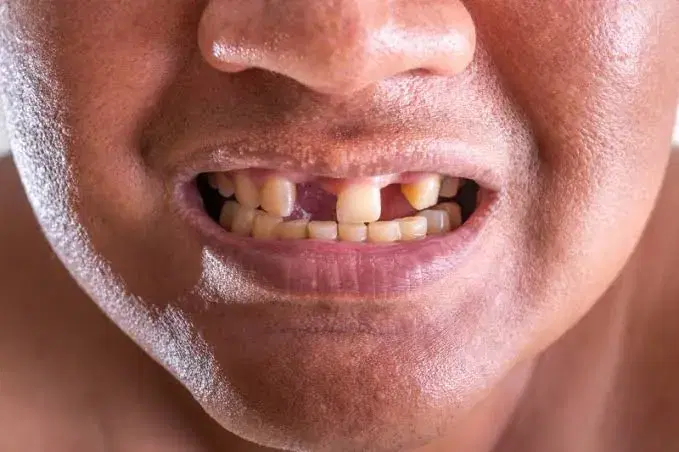
Multiple missing teeth can affect chewing, speech, facial support, confidence, and long-term oral health. When several teeth are lost, the mouth does not simply have empty spaces; the bite changes, nearby teeth may shift, and the jawbone can gradually lose stimulation. Multiple missing teeth can also make everyday meals harder and place extra pressure on the remaining natural teeth. Dental implants can help by replacing missing tooth roots and creating a strong foundation for crowns, bridges, or implant-supported dentures. With proper planning, implants can restore function, improve appearance, and offer a stable solution that feels far more secure than many traditional removable options.
Why Multiple Missing Teeth Need More Than a Cosmetic Fix
Losing several teeth changes the way the entire mouth works. Teeth support one another, guide the bite, and help distribute chewing pressure evenly. When gaps remain untreated, the remaining teeth may begin to drift into open spaces. This movement can create bite imbalance, food traps, gum irritation, and cleaning difficulties.
The jawbone also responds to tooth loss. Natural tooth roots stimulate the bone during chewing. After teeth are removed, that stimulation decreases. Over time, the bone in the missing areas may shrink. This can change facial support and make future tooth replacement more complex.
Cosmetic concerns matter, but function matters just as much. Patients with several missing teeth may avoid certain foods, chew mainly on one side, or speak less confidently. Dental implants address these issues by supporting replacement teeth from the jawbone rather than relying only on gums or neighboring teeth.
How Dental Implants Work for Several Missing Teeth
A dental implant is a small post placed in the jawbone to act like an artificial tooth root. After healing, the implant can support a crown, bridge, or denture attachment. For multiple missing teeth, dentists do not always need one implant for every missing tooth. The final plan depends on the number of missing teeth, their location, bone quality, bite force, gum health, and patient goals.
For example, three missing teeth in a row may be replaced with an implant-supported bridge. In this design, two implants may support three connected replacement teeth. This can reduce the need for several separate implants while still creating a strong and fixed result.
When a full arch of teeth is missing, several implants can support a fixed bridge or stabilize a removable denture. This approach often improves comfort and chewing strength compared with a conventional denture that rests only on the gums.
Key Benefits of Dental Implants for Multiple Missing Teeth
Dental implants offer several important advantages for patients missing more than one tooth. The biggest benefit is stability. Because implants connect with the jawbone, they create a firm base for replacement teeth. This helps reduce movement while eating, speaking, or smiling.
Implants also help preserve the remaining natural teeth. A traditional bridge often requires reshaping healthy neighboring teeth for support. An implant-supported bridge can replace missing teeth without placing the same burden on adjacent teeth.
Another major benefit involves bone support. Implants provide stimulation to the jawbone in the areas where they are placed. This can help reduce bone loss around those sites and support better facial structure over time.
Many patients also value the natural appearance. Implant restorations can be designed to match tooth color, shape, gum line, and smile proportions. When planned well, they blend with the surrounding teeth and create a balanced result.
Implant-Supported Bridges for Consecutive Missing Teeth
An implant-supported bridge can be a strong option when several missing teeth sit next to each other. Instead of placing an individual implant for each missing tooth, the dentist may place implants at strategic points and connect them with a custom bridge.
This option can work well for three, four, or more missing teeth in one area. The bridge stays fixed in the mouth and does not need to be removed at night. Patients usually find it more comfortable than a removable partial denture because it does not rely on clasps or broad plastic coverage.
Implant-supported bridges also help distribute chewing forces. The dentist must carefully design the number and position of implants to manage pressure properly. Bone quality, bite pattern, and the location of the missing teeth all influence this plan.
A well-made bridge should feel secure, look natural, and support daily function. Regular cleaning still matters, especially under and around the bridge where plaque can collect.
Implant-Supported Dentures for Full-Arch Tooth Loss
When most or all teeth are missing in the upper or lower jaw, implant-supported dentures may provide a major improvement over traditional dentures. Conventional dentures sit on the gums and depend on suction, fit, and adhesive. They may move during eating or speaking, especially when the jawbone changes over time.
Implant-supported dentures attach to implants, which gives them better retention. Some designs snap in and out for cleaning. Others stay fixed and can only be removed by a dental professional. The right choice depends on budget, bone condition, comfort expectations, hygiene ability, and treatment goals.
For many patients, implant-supported dentures improve chewing confidence. They can reduce slipping, rubbing, and sore spots. They may also allow a smaller denture design, especially in certain upper-jaw cases, which can improve comfort and taste sensation.
This option does not suit every patient automatically. A detailed examination and imaging help the dentist decide whether bone support, gum health, and general health can support the treatment.
Restoring Chewing Strength and Food Choices
Multiple missing teeth often limit the foods a person can eat comfortably. Harder foods, fibrous vegetables, nuts, meats, and crusty bread may become difficult. Some patients slowly shift toward softer foods without noticing how much their diet has changed.
Dental implants can help restore stronger chewing ability because they anchor replacement teeth to the jawbone. This support creates more confidence during meals. Patients may chew on both sides again and place less strain on the remaining natural teeth.
Improved chewing can also support better digestion and nutrition. When food breaks down more effectively in the mouth, meals become easier to manage. This does not mean implants allow careless biting into every hard food, but they often provide a more secure and natural-feeling bite than loose removable appliances.
A dentist may still recommend avoiding certain habits, such as chewing ice or using teeth to open packages. Implant restorations are strong, but they still need protection from excessive force.
Supporting Speech and Facial Appearance
Teeth play an important role in speech. Gaps can affect how air moves through the mouth and how the tongue contacts the teeth. Multiple missing teeth may cause unclear pronunciation or make speech feel less controlled. Stable implant restorations can help rebuild these contact points and improve speaking confidence.
Facial appearance can also change after tooth loss. Teeth and jawbone support the lips and cheeks. When several teeth are missing, the lower face may look collapsed or aged, especially if bone loss has developed. Implant treatment can help restore support by replacing missing structures and improving bite height in selected cases.
A natural-looking result requires more than filling spaces. The dentist must consider tooth length, gum display, smile line, lip support, and facial balance. Digital planning, diagnostic models, and careful shade selection can all contribute to a more harmonious final smile.
Protecting Remaining Natural Teeth
When multiple teeth are missing, the remaining teeth often work harder. They may carry more chewing pressure than they were designed to handle. This can lead to wear, cracks, movement, gum stress, or discomfort.
Dental implants can help share the workload. By replacing missing support, implants reduce the pressure placed on existing teeth. This can protect the overall bite and help maintain better oral balance.
Implants may also reduce the need to use natural teeth as anchors for removable partial dentures or traditional bridges. This matters because clasps, pressure, and tooth preparation can sometimes weaken remaining teeth over time.
The best treatment plan looks at the whole mouth, not just the empty spaces. A dentist should check gum health, bite stability, tooth wear, and jaw movement before recommending the final implant design.
The Treatment Process Step by Step
The process begins with a consultation. The dentist reviews medical history, oral health, gum condition, bite, and expectations. X-rays or 3D imaging may help evaluate bone volume and important anatomical structures.
If the jawbone has enough support, implants can be planned in the ideal positions. If bone has shrunk, the patient may need bone grafting or another preparatory treatment before implant placement. Gum health must also be stable because inflammation can affect healing.
During implant surgery, the dentist places the implant posts into the jawbone. Healing time allows the bone to bond with the implant surface. Temporary teeth may be used in some cases, depending on stability and the treatment plan.
After healing, the dentist attaches abutments and final restorations. These may be crowns, bridges, or dentures. The final teeth should fit the bite, support the face, and allow effective cleaning.
Who Is a Good Candidate?
A good candidate for dental implants usually has healthy gums, enough bone support, and general health that allows proper healing. Patients with controlled medical conditions may still qualify, but the dentist must review each case carefully.
Smoking, uncontrolled diabetes, severe gum disease, heavy grinding, and certain medications can increase risk. These factors do not always rule out implant treatment, but they may require extra planning, treatment, or maintenance.
Age alone does not decide candidacy. Many older adults receive implants successfully when oral and general health support the procedure. Younger patients may need to wait until jaw growth is complete.
A personalized consultation remains essential. Multiple missing teeth can result from gum disease, trauma, decay, failed dental work, or genetic factors. The cause of tooth loss can influence the treatment plan.
Caring for Dental Implants After Treatment
Dental implants cannot get cavities, but the gum and bone around them still need daily care. Plaque can cause inflammation around implants, which may lead to tissue damage and bone loss if ignored.
Patients should brush carefully, clean around implant restorations, and use tools recommended by the dental team. Interdental brushes, floss threaders, water flossers, or special implant cleaning aids may help, especially under bridges.
Professional maintenance visits are also important. The dentist or hygienist can check the bite, clean hard-to-reach areas, evaluate gum health, and monitor bone levels. Small issues, such as a loose screw or early inflammation, are easier to treat when caught early.
Good care turns implant treatment into a long-term investment. The final result depends not only on surgery and materials, but also on daily habits and regular follow-up.
Frequently Asked Questions
Can dental implants replace multiple missing teeth?
Yes. Dental implants can replace several missing teeth with implant-supported bridges, individual crowns, or implant-supported dentures. The dentist chooses the best design after evaluating the number and location of missing teeth.
Does every missing tooth need its own implant?
Not always. Several missing teeth in a row may be restored with fewer implants supporting a bridge. Full-arch restorations can also use a limited number of implants to support multiple replacement teeth.
Are implant-supported bridges fixed?
Yes, implant-supported bridges are usually fixed in the mouth. They do not come out like removable dentures and can feel more stable during chewing and speaking.
Can dental implants help with loose dentures?
Yes. Implants can stabilize dentures and reduce slipping. Some implant-supported dentures snap in and out for cleaning, while others remain fixed and require professional removal.
How long does treatment take?
Treatment time varies. Some cases take several months because implants need time to bond with the bone. Bone grafting, gum treatment, or complex full-mouth planning can extend the timeline.
Are dental implants comfortable?
Most patients find implant restorations comfortable after healing. A well-planned implant bridge or denture should feel stable, fit the bite, and avoid unnecessary pressure on the gums.
What happens if there is not enough bone?
The dentist may recommend bone grafting, sinus lifting, shorter implants, angled implants, or another treatment option. The right choice depends on the location and amount of bone loss.
Can implants improve chewing?
Yes. Dental implants can improve chewing by anchoring replacement teeth to the jawbone. This often gives patients more confidence with a wider range of foods.
How should implant-supported teeth be cleaned?
Implant-supported teeth should be brushed daily and cleaned around carefully with recommended tools. Regular dental visits help protect the gums, bone, and implant components.